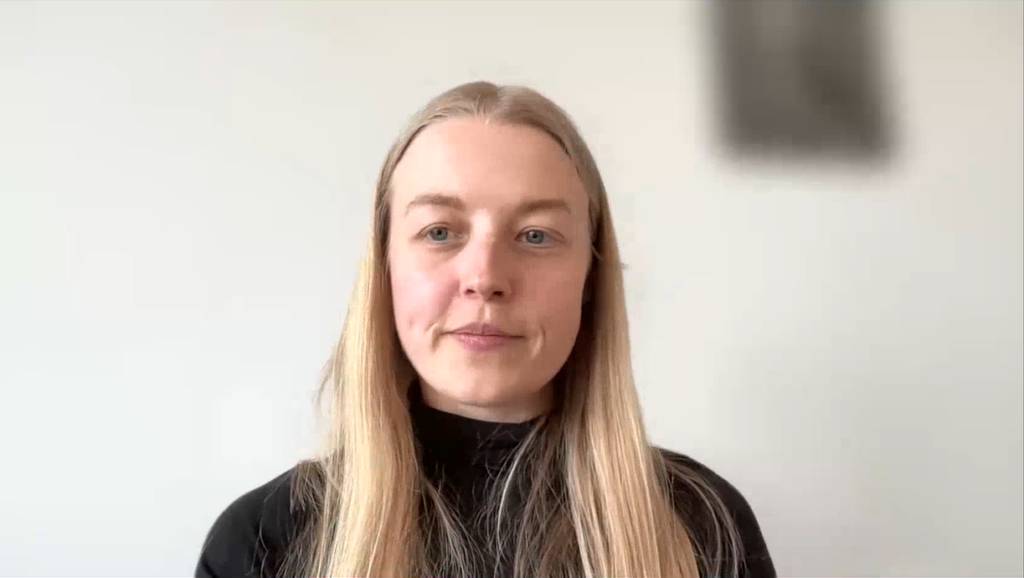
Having difficulty standing out in a competitive job market as a recent graduate or at the start of your career? Listen to Carina Farell, a Senior Brand Manager at Lever Brands and a Favikon: Top 20 Personal Branding Influencer, in our webinar ‘LinkedIn Personal Branding: Build a Professional Profile from Zero’. She will discuss how you can build your professional brand and unlock new career opportunities.
What is personal branding and why does it matter?
Carina explains that a personal brand is how you present your skills, strengths, values, and career interests to the professional world. Everyone has a personal brand, and in terms of LinkedIn, it’s shaped around:
- How you show up – this includes your profile, the content that you create and interactions that you have with your employers and with your connections
- What people remember of you – you don’t need to share every interest you have, but something that makes you very memorable to your audience, so people understand who you are, what you’re good at and what kind of role you’re looking for
Since the job market is competitive, Carina emphasises that a personal brand on LinkedIn is important because it can support your credibility, build your network, aid in your job search, and attract job opportunities. Therefore, spending time on LinkedIn putting in effort to build your profile and creating a personal brand can help you stand out in the crowded marketplace.
How to optimise your LinkedIn profile
Carina outlines how your LinkedIn profile is split up into several different categories and suggestions for each to boost your profile to attract recruiters:
- Profile photo – have a professional and clear headshot. You can reflect on the clothes you wear, depending on what industry you want to get into, e.g. finance, a blazer, a creative role, a colourful jumper
- Headline – this sits below your name and is perfect to give you credibility. This is the first line people see when you comment on others’ posts, so place here what you want people to read to find out about you or what you’re looking for, e.g. ‘Third year marketing student’, ‘Marketing student looking for a placement’, or ‘Seeking a role in X industry’
- About section – a section to share who you are, what you do and what you’re looking for. For example, as a student, you may want to highlight the university you’re attending, what you’re studying, key modules, dissertation, and experience you may already have, and what job opportunities you’re looking for
- Banner – a great way to showcase a key statement, what your skills are, and what you’re looking for. As a student, you may want to include your name, what you’re studying, a professional photo of yourself, and your university logo or company logos you’ve worked for
- Experience – here you can list all your experience, such as internships, jobs, and volunteer experience and include company names. The volunteer section is great for outlining being a committee member and a part of a society
- Skills – by including your top eight skills, LinkedIn assesses your credibility for a job and can push you to employers that are looking for those skill sets
- Endorsements – having others endorse your skills and leave recommendations can help verify that you do have those skills and what it’s like to work with you
How to network and build connections on LinkedIn
If you’re looking to build your connections on LinkedIn, Carina explains that you should:
- First start connecting with everyone you know
- Then connect with people from your university and alumni who studied your course, where you can reach out and introduce yourself, explain how you’re studying the same course as they did, and ask for advice on how they landed the job they’re in
- Lastly, connect with people you may know in your area, e.g. a former teacher or a local business owner
Watch clip to learn more on building your network>>
How to find job opportunities
Leverage your job search with Carina’s advice:
- Use the job search feature – you can search jobs of interest, location, industry and skills
- Add skills to your profile as this will help you be approached with job opportunities
- Follow companies you’re interested in and those hiring in your network
- Reach out to alumni who work in your desired industry, as they may know of new job opportunities
- Share content to showcase your knowledge, skills, and professional insights to put you on people’s newsfeeds to attract recruiters
- Post about looking for job opportunities and what you can offer, or share news articles/podcasts, and share key insights of what you’ve learned
- Utilise the featured section to put in your portfolio, opinion pieces, or top-performing posts
Looking for temporary, permanent, graduate or internship roles within universities and businesses across the UK? Check out current jobs on Unitemps.
How to build relationships with recruiters
You can search for recruiters on LinkedIn and connect with them to start building a relationship with them and send your CV. They will be able to align your interests and skills with jobs and even ask you about opportunities that you may not have considered or ever thought of applying for. You can attract recruiters by:
- Connecting with recruiters – find recruiters in your field and send personalised connection requests. Let them know what roles you’re interested in and share your CV/LinkedIn profile for easy access
- Engaging with recruiters’ content: comment on and share content posted by recruiters to get on their radar and demonstrate your knowledge in your field
- Set profile to “Open to Work”: putting your profile on “Open to Work” is a signal to recruiters that you are actively seeking job opportunities and to reach out directly to you
How to create content on LinkedIn
Need content creation ideas? Here are six suggestions of what you can post about on LinkedIn:
- Share a recent project or achievement
Post Idea: “Just completed a group project for my final year course on [Topic]! We focused on [Brief Overview of the Project], and I learned a lot about [Key Skill or Takeaway]. I’m excited to apply these skills in future roles!
Why it works: Showcases the practical application of your academic learning, giving potential employers insight into your capabilities and growth.
- Career goals and aspirations
Post Idea: “As a [University/Field of Study] graduate, I’m looking forward to applying my passion for [Your Field] in a [Desired Job/Industry] role. I’m especially interested in [Specific Areas of Interest] and eager to connect with others in the industry to learn more!
Why it works: Lets your network know your goals and what kind of opportunities you’re seeking. It also signals to recruiters that you’re ready for work.
- Key Learning from a course or internship
Post Idea: “I recently completed an internship with [Company Name] where I had the opportunity to work on [Project/Task]. A key takeaway from this experience was [Lesson Learned]—which is something I’m passionate about continuing to develop in my career.
Why it works: Highlights real-world experience, showing potential employers that you’re proactive, have gained practical knowledge, and are eager to continue learning
- Ask for advice or insights from industry professionals
Post Idea: “I’m eager to hear from professionals working in [Industry]. As a recent graduate, I’m looking to learn more about the best ways to get started in [Specific Role]. If anyone has tips on the most important skills or advice on entering this field, I would love to connect!
Why it works: Invites engagement from professionals and expands your network while positioning you as someone keen to learn and grow.
- Share a helpful resource or article
Post Idea: “I recently came across this article on [Topic] and found it super insightful, especially the part about [Key Point]. For anyone interested in [Relevant Topic], I highly recommend giving it a read!
Why it works: Provides value to your network, positions you as someone who stays updated on industry trends, and encourages interaction.
- Celebrate an accomplishment or milestone
Post Idea: “I’m thrilled to announce that I’ve officially completed my degree in [Your Degree] from [University Name]. It’s been a challenging yet rewarding journey, and I’m excited for the next chapter as I begin my job search in [Industry/Field].
Why it works: Personal milestones help you connect with your network on a human level, while also showing that you’re entering the job market and are ready for the next step in your career.
Watch clip to view content examples>>
Key takeaways
- Personal branding is essential – start building your personal brand early. It helps you stand out in a crowded job market
- Optimise your LinkedIn profile – ensure your profile is professional, up-to-date, and tailored to the roles you’re targeting
- Engage with content – share your knowledge and experiences to showcase your skills, build credibility, and connect with professionals in your field
- Networking is key – focus on building meaningful relationships with professionals, recruiters, and alumni to increase job opportunities
- Set your profile to “Open to Work” – let recruiters know you’re actively looking for opportunities by turning on this feature on LinkedIn
- Persistence pays off – keep applying for jobs, engaging with your network, and seeking advice. Stay proactive and resilient in your job search
Q&A
- Do you need LinkedIn Premium?
- Do you need LinkedIn Premium to have “Open to Work” on?
- I am getting views and impressions, but not messages. How do I rectify that? Do I need to be posting more content?
- How can I get engagement on posts?
- What is the best way to describe a career break on LinkedIn when you were looking after family?
- What makes a LinkedIn post good?
- Is being part of a student society committee valued as experience?
- Can you provide tips on improving consistency regarding the frequency of posting?
- How quickly can I pivot or change my personal brand direction if the initial one isn’t working?
- What matters more at the beginning: experience or content in the “Featured” section?
- Which content formats work best for beginners?
- Is it better to engage with big creators’ posts or focus on creating my own content from the start?
- Can LinkedIn realistically help land a first job, or is it more about conversations and visibility?
If you’re looking to skyrocket your career, watch our webinar career series:
- How to get a job with no experience – Farrah Morgan, Career Coach, leads a webinar exploring how hobbies, projects, and extracurricular activities can count as real experience and shares a practical framework to help you showcase them confidently.
- How to write a standout CV – Gill Frigerio, Jenny Hammond, Amanda Bramall, and Andréa Skelly share what Hiring Managers look for in CVs, and how to create one that stands out to help you land a job.
- How to write a standout cover letter – Gill Frigerio, Amy Blenkiron, and Keith Kilgore present a 45-minute webinar on how to write a cover letter that helps you progress to the interview stage.
If you’d like to keep updated on any future Unitemps events, follow us on social media: LinkedIn, X, Instagram, Facebook and TikTok.
Meet the speaker:

Carina Farrell, Senior Brand Manager at Lever Brands
Carina is a Brand Manager at the world’s leading personal branding agency, where she works with founders, executives, and professionals to grow their presence on LinkedIn. She specialises in turning people’s ideas, experiences, and expertise into content that builds credibility, grows audiences, and creates new opportunities through personal branding.
Last updated on 24 August 2026
Share this article